Call Us (346) 227-2952

How to Clean Suede: The Ultimate Guide to Preserving Suede Shoes and More


Suede is a luxurious material known for its velvety nap and stylish appeal – think of Elvis’s famous blue suede shoes. At Big Wave Washateria, we often get questions about caring for suede items, especially shoes. Cleaning suede can be tricky because of its delicate texture and sensitivity to moisture. In this comprehensive guide, we’ll explain what suede is (and a bit of its history), the science-backed reasons it needs special care, how to tell real suede from faux suede, and step-by-step instructions for cleaning both. Read on for professional tips – backed by research and expert advice – to keep your suede shoes and garments looking their best.
What Is Suede? A Brief History and Definition
Suede is a type of leather with a fuzzy, napped finish on the surface. Unlike regular full-grain leather, which uses the tough outer layer of animal hide, suede is made from the underside of the skin, giving it a soft and pliable feel. Because suede lacks the outer grain layer, it is softer but less durable than traditional leather.
History: The term “suede” actually comes from the French phrase gants de Suède, meaning “gloves from Sweden.” In the 19th century, French fashion enthusiasts used this phrase to refer to a type of very soft leather gloves imported from Sweden. Eventually, “suede” came to describe any leather with a napped, velvet-like finish. It was considered a luxurious status symbol – designers like Givenchy and Hermès incorporated suede for its delicate, elegant texture.
Why Suede Requires Special Care
Suede’s beauty comes with a downside: it’s one of the most difficult materials to clean. The reason lies in its structure. Because the protective outer layer of hide is removed, suede’s surface is open and porous – it readily absorbs spills and even water, and its raised nap provides more places for dirt to cling. In fact, suede can become discolored by something as simple as water, and grime can hide among the fuzzy fibers. This delicate nature means conventional cleaning methods (like soaking in soapy water) can do more harm than good.
Water is suede’s worst enemy. Excess moisture can stain or distort suede, leaching out natural oils from the leather. As Vogue succinctly puts it, “water is like kryptonite to suede — it draws out the material’s oils, which may cause the suede to become stiff or weak”. If suede gets thoroughly soaked and then dries, the leather can shrink, warp, or harden, often irreversibly. For this reason, you should never toss suede items in a washing machine or use a saturated wet cloth for cleaning. Even soap and water are discouraged for suede, as experts warn that too much moisture will ruin its velvety texture.
The good news: With the right tools and techniques, you can clean suede and keep it looking fresh. The key is to use minimally invasive methods – mostly dry or very low-moisture cleaning – and to understand suede’s limits. Next, we’ll look at telling genuine suede apart from faux suede, since that will determine the appropriate cleaning approach.
Real Suede vs. Faux Suede: How to Tell the Difference
Not everything that looks or feels like suede is made of animal leather. Faux suede (sometimes called microsuede or suedette) is a synthetic fabric designed to mimic real suede’s appearance. Telling them apart is important because genuine suede and faux suede have different care needs. Here are some key differences and identification tips:
- Material & Backing: Real suede is made from animal hide, so the back side of a suede item (if visible) will have a rough, fibrous texture – essentially raw leather flesh. Faux suede is woven from polyester or microfiber, often with a woven fabric backing. If you peek inside a jacket or under a shoe’s insole and see a smooth textile backing or mesh, it’s likely faux suede.
- Water Reaction: This is a tell-tale test (use with caution on an inconspicuous spot!). Real suede absorbs moisture slowly and darkens where wet, taking time to dry and potentially leaving a tide mark. Faux suede tends to be more water-resistant – often water will bead up on the surface, or if it soaks in, it dries faster without as much staining. (Many faux suedes are manufactured with a water-repellent quality.) In practical terms, a few drops of water can permanently stain genuine suede, whereas fake suede might resist water or clean up more easily.
- Texture and Feel: Genuine suede has an organic, variable nap. If you run your hand over it, the direction of the nap changes color (good suede will show fingerprint traces as the fibers shift). It should feel soft, warm, and slightly uneven due to natural grain variations. Faux suede often feels too uniformly even – very smooth or slightly “plasticky.” Lower-quality faux suede might even have a slight synthetic sheen under light.
- Smell and Burn Test: Real suede (being leather) has that distinct leather smell and, if burned (not recommended unless you’re really in doubt), it singes and smells like burnt hair, turning to ash. Faux suede lacks a leather smell and will melt to a plastic bead and emit a chemical odor when burned. Of course, do not burn your items – this is more of a forensic test, but it illustrates the protein (real) vs plastic (faux) composition.
- Labels and Price: Perhaps the easiest clue – check the care tag or product description. If it says “Genuine Leather” or “Real Suede Leather,” it’s the real deal. Tags like “100% polyester” or terms like “microfiber suede,” “man-made material,” or “vegan suede” indicate faux suede. Price is another hint: authentic suede garments and shoes are usually much pricier, whereas faux suede is more affordable.
Why it matters: Real suede and faux suede behave differently when cleaning. Genuine suede is very sensitive to water and requires gentle, dry-cleaning-style care. Faux suede is generally more durable and easier to clean, since it’s essentially fabric – many faux suede items can even be cleaned with water-based methods or thrown in a gentle machine wash. In fact, faux suede’s tightly woven microfibers repel stains and water better, so you won’t need to clean it as often. Knowing which type you have will determine the safest cleaning method. In the next sections, we’ll cover cleaning techniques for both, starting with real suede (using a suede shoe as our example).
How to Clean Suede Shoes (Step-by-Step Guide)
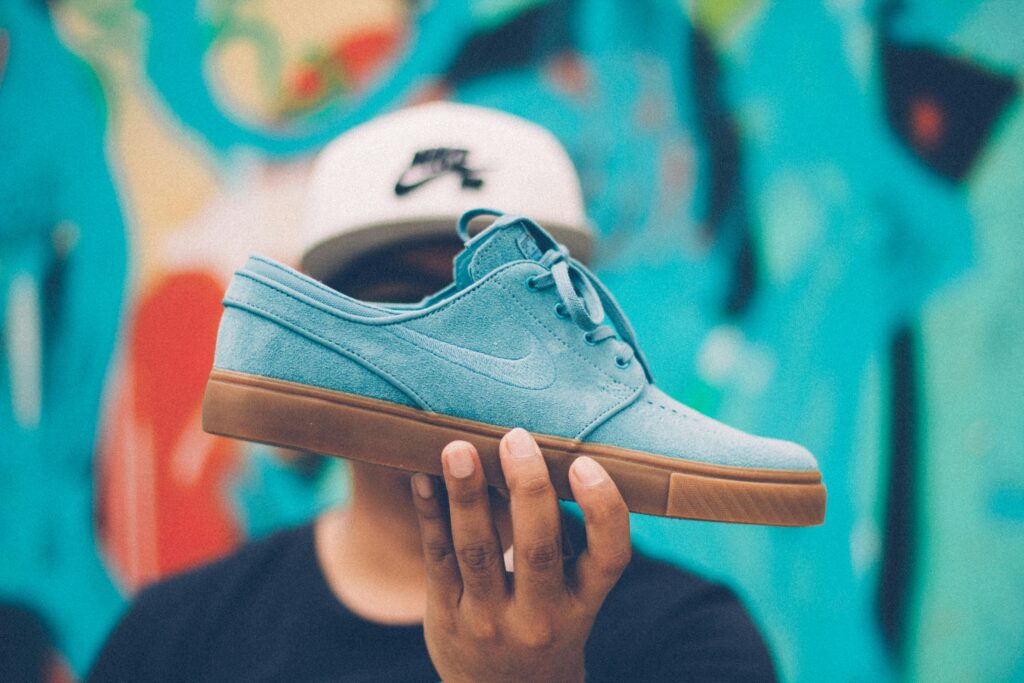
Cleaning suede shoes is one of the most common challenges – and a highly searched topic for good reason. Suede footwear easily accumulates dirt, scuffs, and water spots from normal wear. The following is a step-by-step guide to clean your suede shoes without wrecking their velvety texture. These methods apply to other suede items (jackets, bags) as well, but we’ll focus on shoes since they see the toughest use.
Blue suede sneakers like these require delicate care to stay vibrant and damage-free. The soft nap of suede can scuff and stain easily, but the right cleaning approach will preserve their velvety look.
Before you begin: Ensure the shoes are completely dry and at room temperature. If they got wet (rain, spills), first blot out moisture gently with paper towels or a microfiber cloth and let them air-dry fully. Never apply heat (no hairdryer, no direct sun or radiator) to speed up drying – heat can cause suede to shrink or become misshapen. Also, gather a few supplies: a suede brush, a suede eraser (or clean art gum eraser), a soft clean cloth, white vinegar or rubbing alcohol (for stains), and suede protector spray for afterward.
Now, follow these steps:
- Brush Away Loose Dirt: Use a suede brush (a special brush with stiff brass or nylon bristles) to gently remove surface dust, dirt, and debris. Brush in one direction along the grain of the suede for general cleaning. This lifts dry dirt particles off the nap. For scuffed areas or dried mud that won’t come off with light strokes, you can brush more firmly or in a back-and-forth motion to agitate the fibers. Tip: Brushing not only cleans but also revives the pile. Suede’s fibers are densely packed, so often you can clean it without any liquid at all, simply by brushing. Take your time on this step; many superficial marks will vanish with thorough brushing.
- Use a Suede Eraser for Stains: For small, stubborn marks or shiny spots, a suede eraser can work wonders. This is a rubbery block made to crumble a bit as you rub, lifting ingrained dirt from the nap. Gently rub the eraser back and forth on the stain or scuff until it lightens or disappears. Don’t grind too hard and stop if the suede seems to be wearing down. After using the eraser, brush away the eraser dust and “fluff” the nap back up with your suede brush or a crepe rubber (gum) brush. An emery board (fine nail file) can also help buff out dry scuffs – use it lightly to avoid scratching the leather.
- Treat Tough Stains with Vinegar or Alcohol: If some stains persist (e.g. dark water spots, food or drink stains), you may need a minimal moisture treatment. Two household products that experts recommend are white vinegar and rubbing alcohol, because they can clean without saturating the suede. Both vinegar (acetic acid) and isopropyl alcohol help break down stain molecules and evaporate quickly to avoid water damage. Dampen a corner of a clean cloth or a cotton ball with white vinegar (plain white vinegar, not any mixed cleaning solution) and gently blot the stained area. Do not pour or soak the suede – use just enough to slightly moisten the surface. Use light pressure and maybe small circular motions to transfer the vinegar onto the stain. The suede will likely darken initially – don’t panic. As the vinegar evaporates, the spot should lighten back to normal color. Let it air dry and then check the stain. You can repeat this dabbing process once or twice if needed, allowing full drying in between, until the stain is gone or greatly reduced. Rubbing alcohol can be used in the same way for ink or other stains – dab lightly and let it evaporate. Remember, never soak suede in any liquid (even vinegar or alcohol) and pat, don’t rub aggressively. Patience is key: multiple gentle applications are safer than one forceful wet cleaning.
- Remove Oil or Grease Stains (if present): Oily spots (from food grease or skin oils) are tricky on suede. A handy hack for fresh grease stains is to sprinkle cornstarch or baking soda on the spot as an absorbent powder. Do this when the stain is dry – cover the greasy mark with a layer of cornstarch and let it sit for a few hours, or even overnight. The powder will soak up oils from the suede as it rests. Afterwards, gently brush or vacuum off the powder without grinding it in. You might need to repeat this treatment with fresh powder if some oil remains. For an old, set-in oil stain that powder alone can’t lift, you can try a drop of mild dish soap: put a tiny dab of dish soap on a damp cloth and blot the area, letting the suds sit for 10 minutes to break down the grease, then wipe with a damp (water-only) cloth to remove soap residue. Always avoid over-wetting – use just a damp cloth, not a soaking one. And afterward, allow the suede to fully dry and brush the fibers up again. (If oil stains are severe or on a valuable item, consider professional cleaning.)
- Even Out Water Stains: This sounds counterintuitive, but if your suede shoes have a water stain ring, sometimes lightly spraying the whole area with water can even it out. Suede experts suggest using a spray bottle to mist a light, even layer of water over the entire panel of the shoe where a water spot exists. The idea is to avoid one concentrated water mark by slightly dampening and then brushing the whole area so it dries uniformly. If you try this, use distilled or clean water and don’t soak – just a couple spritzes from 6–8 inches away. Immediately use your suede brush to gently brush the damp suede, which helps restore the nap as it dries. Then let the shoe air-dry completely. This technique can help eliminate a cloudy tide mark from a raindrop by blending it out. However, use this method sparingly and never on fully saturated suede – it’s only for minor water spotting.
- Dry and Revive the Nap: After any wet treatment (vinegar, etc.), allow the suede to air dry slowly, away from heat. This may take several hours. Once dry, assess the area. Often, cleaning can leave the nap a bit flat or stiff in spots. Use your suede brush or a crepe rubber brush to gently groom the suede, brushing in one direction to lift the fibers back up and keep the texture consistent. The shoe should now look much improved – stains gone or faded and texture soft. If the suede feels a bit stiff, you can also gently flex and massage it or use a steamer at a distance to reintroduce a touch of moisture, then brush – but be very cautious with steam so as not to over-wet (holding the shoe above a steaming kettle for a few seconds is an old trick to relax the fibers, but again, minimal exposure).
- Apply Suede Protector: Once your shoes are clean and dry, it’s wise to apply a suede protector spray to guard against future dirt and water damage. Many suede shoes come pre-treated, but an extra layer of protection helps. Use a spray designed for suede leather and follow the product instructions – usually, hold the can about 6–8 inches away and spray an even, light coat over the entire shoe. The spray will add a water- and stain-repellent layer. Let the shoes dry completely after spraying (usually a few hours) before wearing them. Keep in mind, protector spray won’t make suede waterproof, but it does help liquids bead off briefly and can prevent deep staining. Even with a protector, it’s best to avoid wearing suede in rain or mud if possible, and clean any splashes promptly.
By following these steps, your suede shoes should look refreshed and clean, with minimal change to their color or texture. Always remember to be gentle – suede requires patience. Rubbing too hard or using too much liquid or soap can easily ruin the finish. If a stain is too severe or you’re nervous about DIY cleaning on expensive suede, don’t hesitate to seek a professional leather cleaner. But for most scuffs and dirt on shoes, these home methods – brush, erase, a touch of vinegar, and protect – will do the job while keeping that velvety suede intact.
Quick Tips for Common Suede Shoe Stains: Different messes sometimes need specific tricks, so here are a few quick-hit solutions:
- Mud or Dirt: Let mud dry completely, then crack and brush it off (don’t wipe wet mud, it smears). A gentle steaming can help loosen caked dirt for easier brushing. Always dry fully and brush again.
- Salt Lines: In winter, remove white salt stains by lightly dabbing with a cloth dipped in a mix of cold water and a few drops of dish soap. Blot, don’t rub, and repeat until the salt line fades, then dry and brush. For heavy salt, you might use the vinegar method (since vinegar dissolves salt) instead of dish soap.
- Scuff Marks: Often erased by the suede eraser or even a Magic Eraser sponge. Interestingly, Magic Eraser (melamine foam) can lift a lot of marks from suede – just test a small area first and don’t over-scrub, as it is mildly abrasive.
- Ink Stains: These are tough – rubbing alcohol on a cotton swab can lighten ink by blotting carefully, but set-in ink might not fully come out of suede without professional treatment or re-dyeing that spot.
- Wax or gum: Harden with ice (put ice cube in a bag and hold on the spot), then crumble off the brittle wax/gum. Any remaining residue, try a bit of rubbing alcohol or take it to a pro.
Finally, after cleaning your suede shoes, consider ongoing maintenance: Give them a quick brush after each wear (especially light-colored suede) to prevent dust from settling. Store suede shoes in a cool, dry place – preferably in a dust bag – and use shoe trees (cedar shoe inserts or even just stuffing paper) to help them keep their shape and absorb moisture from the lining. Never store suede that’s damp; let it fully dry first to prevent mildew. With regular care, your suede shoes will stay looking sharp for years.
Suede Care Tips and Precautions
Whether it’s real or faux, a few overarching care tips will keep your suede items looking their best:
- Preventive Care is Key: The best way to keep suede clean is to prevent stains. Use a suede protector spray on new suede items before you wear or use them. This invisible shield will help repel water droplets and dirt, buying you time to blot them off before they sink in. Reapply the spray every few months or after cleaning, per the product instructions.
- Avoid Water Exposure: We’ve emphasized it throughout, but it bears repeating – try not to get real suede wet. Don’t wear suede shoes in rain or snow, and don’t sit on that suede jacket at a wet bar.
- Gentle Techniques Only: When cleaning, use a light touch. It’s better to do multiple gentle passes than one harsh scrub. For example, it’s safer to blot a stain 10 times gently than to soak it once and scrub hard. Suede’s nap can rub off or become rough if handled too abrasively.
- Test in Hidden Area: Whenever you apply a cleaner (vinegar, alcohol, soap) or even water, it’s smart to test on a less-visible spot first. This could be inside seam of a jacket, under the tongue of a shoe, or a back corner of a sofa. Check that the color doesn’t bleed or the texture isn’t damaged before proceeding on larger visible areas.
- Keep Clean and Dry: If your suede item gets soiled with mud or lots of dirt, let the dirt fully dry first before cleaning. Trying to clean wet clay or mud will smear it. Once dry, brush off as much as possible.
- Storage Matters: Store suede in a cool, dry environment. Humidity can lead to mold or mildew on suede (a nightmare to remove). If storing a suede jacket or dress long-term, use a breathable garment bag (cotton, not plastic). For shoes, as mentioned, shoe trees or stuffing help maintain shape and also wick away internal moisture.
- Revive Flattened Suede: If your suede gets a bit crushed or shiny in spots (say, your shoes develop a smooth patch where your toes bend), a trick to raise the nap is to hold the item in the steam from a kettle for a few seconds and then brush. The slight damp heat can rejuvenate the pile (just don’t soak it or let water drip).
- Professional Help: Know when to call in a professional. Stains like large oil spills, ink blots, or extensive water damage might be beyond home remedies. Professional suede and leather cleaners have specialized solvents and tools (and sometimes recoloring agents) to save your item.
- Faux Suede Note: With faux suede items, you have a bit more latitude – for instance, many faux suede throw pillows or clothing can go in the wash. But still avoid high heat, bleach, and rough treatment to prolong their look. One thing to watch with machine-washing faux suede: wash it separately or with like fabrics to avoid lint transfer (microfiber can attract lint from other garments).
By following these precautions and tips, you’ll maintain that plush, clean suede look. Suede might have a high-maintenance reputation, but with regular care and mindful cleaning, it will reward you with timeless style and longevity.
Conclusion
Suede is undeniably elegant – be it a pair of fashion-forward suede shoes or a classic suede jacket. Its unique texture and appearance, however, come with special care requirements. Knowing what suede is made of and why it behaves the way it does (for example, understanding that it’s the inner skin with open fibers that readily absorb moisture) helps us treat it properly. We’ve explored both the science and the art of cleaning suede – from gentle brushing techniques and the magic of a suede eraser to the judicious use of white vinegar for tough stains. We also highlighted how faux suede offers a more washable, water-friendly alternative, while still mimicking the look of the real thing.
With the evidence-based tips provided – many of them recommended by shoe care experts and publications like Better Homes & Gardens and Vogue – you can confidently tackle common suede cleaning challenges at home. Always remember the golden rules: keep suede dry (except for the minimal controlled moisture when needed), be gentle, and protect it for the future. A little preventative care (such as regular brushing and using a protector spray) goes a long way in extending the life of your suede items.
Lastly, while Big Wave Washateria is all about helping you care for your fabrics, some delicate materials benefit from professional attention. Don’t hesitate to seek out a leather-care specialist if you encounter a stain you can’t handle or if that vintage suede find needs a deep refresh. Suede might be finicky, but with the right approach, you can keep it clean, soft, and gorgeous season after season. Here’s to many more years of stepping out in your favorite suede shoes – scuff-free and looking brand-new again!